

Lumpy Skin Disease hits cows hard, costing farmers a lot wherever it shows up – both in milk
and meat production. It brings lumps on the skin, high body heat, plus other serious issues that slow animals down. Some sick animals stop giving milk; others might not survive if things get worse. Knowing how it spreads, what triggers it, and spotting early signs helps those who care for livestock stay ahead. Farmers, vets, and ranch hands need clear facts to keep their groups of cattle safe. This breakdown dives deep into every part of the illness while sharing useful tips for handling outbreaks. Support from Vetsetlifecare also plays a hand when managing tough health challenges in animals.
What Is Lumpy Skin Disease?
Lumpy skin disease in cattle hits cows when they catch a virus called LSDV, part of the Capripoxvirus group. That bug’s similar to ones hurting sheep and goats. Instead of those animals though, it mostly targets cattle and buffalo. You can spot it by hard, bumpy lumps showing up on the skin – often around the neck, legs, belly, or private parts – and these bumps hurt.
The illness affects cows no matter the type or age, yet younger ones or those with poor immune systems usually get hit harder. People don’t catch it, still, it hits farm incomes, milk production, and market movement pretty hard.
Causes and Transmission of Lumpy Skin Disease
-
The Causative Agent
The LSD virus sticks around for ages – hides in dry scabs, soiled hay, or grimy gear. Tough as nails when hit by extreme weather, letting it move fast through infected spots.
-
Mode of Transmission
LSD is mainly spread by insect vectors, including:
Mosquitoes
Biting flies
Ticks
These bugs spread the virus by biting sick animals, later passing it to healthy cows. Cases rise in hot, damp times since more of these carriers show up.
-
Indirect Transmission
Even though bugs usually spread it, other ways matter too – like when people pass it without bites
Contaminated equipment
Shared water sources
Poor hygiene practices
Movement of infected animals
This is why solid safety steps must block outbreaks from spreading – using tight controls on farms helps avoid bigger problems by stopping germs early.
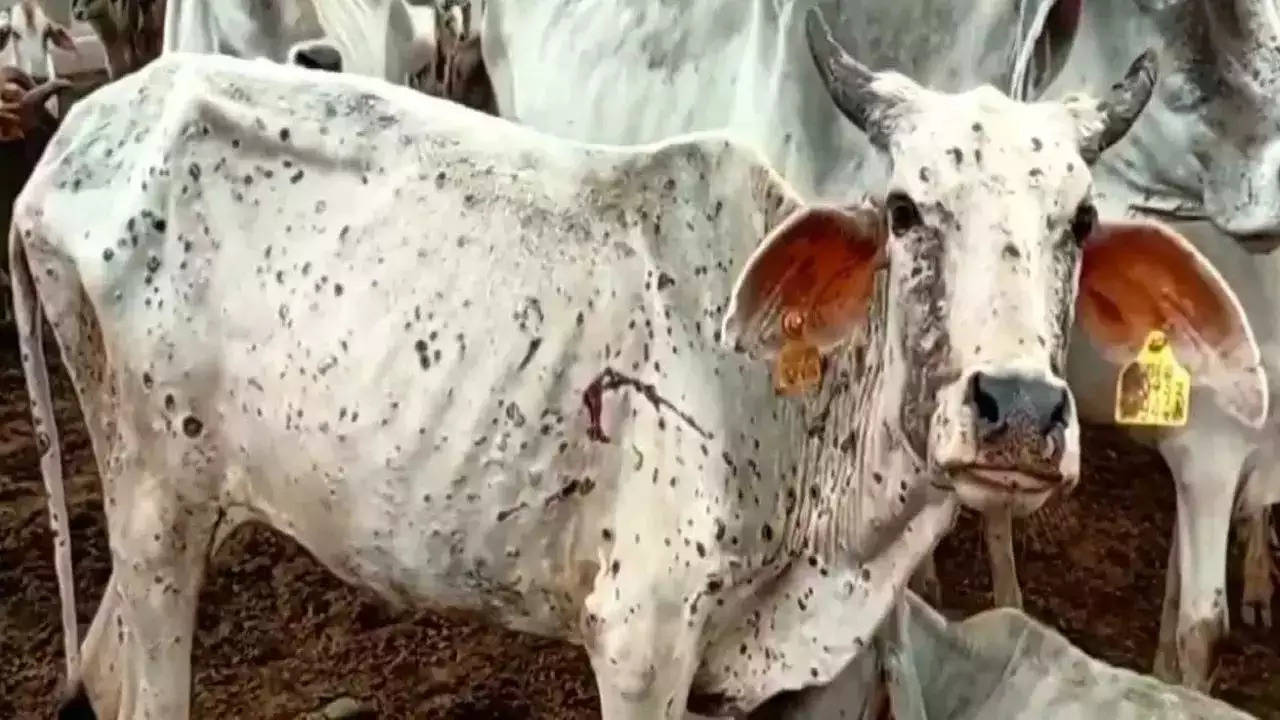
Symptoms of Lumpy Skin Disease
Picking up on warning signs early boosts your odds of quick action while cutting down damage. Typical health clues are:
-
Skin Nodules
The main sign? You’ll notice hard, round lumps about 2 to 5 cm wide. They might pop up anywhere – though you’re more likely to see them on:
Head and neck
Limbs
Udder
Abdomen
Genital area
The lumps can break open, which causes crusts to form – sometimes, if it’s bad, bacteria might get in.
-
Fever and Lethargy
Fever hits sick cows hard, along with a weak body and no interest in food. Still, this widespread response might hang around for many days.
-
Swelling of Limbs and Lymph Nodes
Lymph nodes near the skin often get bigger. Leg puffiness may limit motion while causing discomfort instead.
-
Milk Reduction
Dairy cows make less milk when they run a fever or feel stressed – also if their udders are hurt.
-
Respiratory Issues
At times, you might get a runny nose; also, there’s coughing or trouble catching your breath.
-
Reproductive Complications
Bulls can get swollen testicles; meanwhile, cows might briefly stop conceiving or lose calves if fever lasts too long.
Diagnosis of Lumpy Skin Disease
Doctors usually spot it by symptoms, yet tests are needed – more so when lots of people get sick at once. Ways to check involve:
PCR testing
Virus isolation
Serology tests
Microscopic study of skin lumps
Getting the right diagnosis lets you tell LSD apart from look-alike conditions like fake lumpy skin illness, rain scald, or itchy skin reactions.
Treatment Options for Lumpy Skin Disease
Right now, no medicine can wipe out the virus for good. So vets aim to ease symptoms, block new infections from taking hold, also help pets bounce back fast.
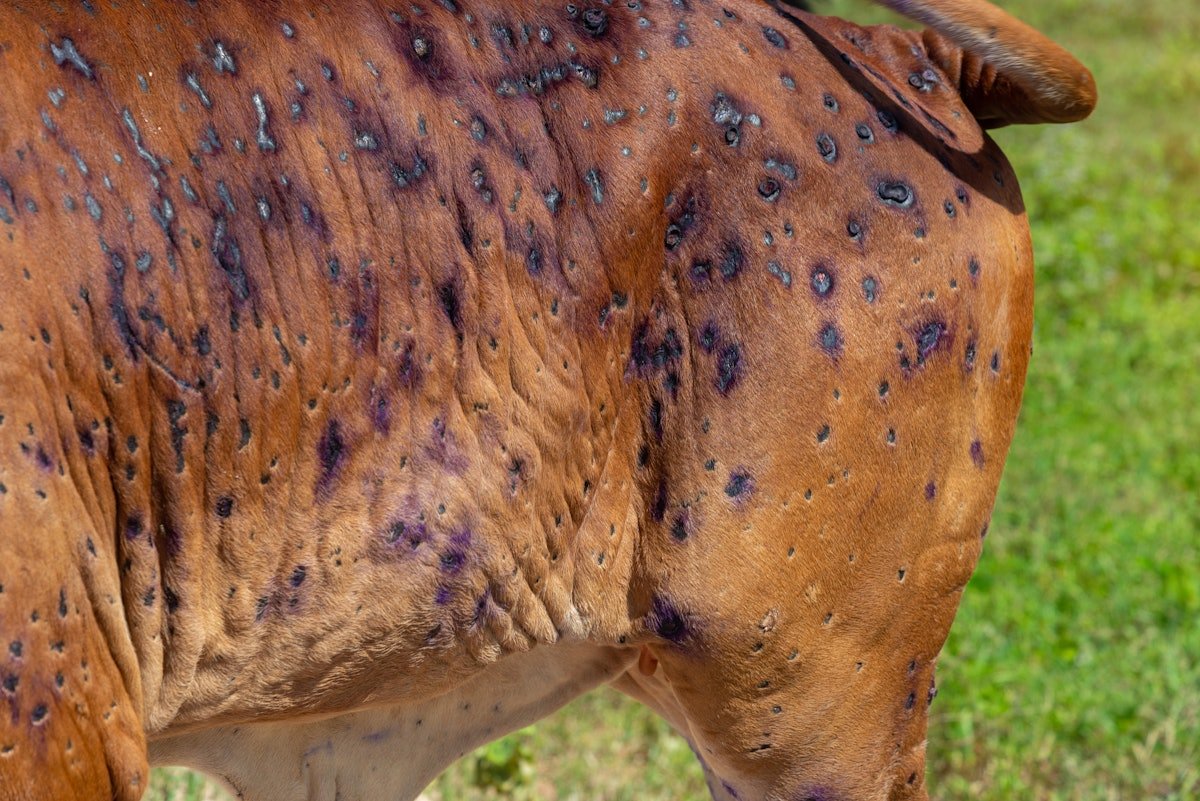
Besides these points, here’s what really works in treatment:
-
Supportive Care
Supportive care tackles fever, swelling, or discomfort. With a vet’s advice, anti-inflammatory meds may lower temperature while helping animals feel better.
-
Prevention of Secondary Bacterial Infections
Wounds from burst lumps can let bacteria in. To stop problems, vets usually give wide-ranging antibiotics
Abscesses
Skin infections
Pneumonia
-
Wound Care
Proper wound management accelerates healing:
Cleaning nodules using antiseptic liquids
Using creams or lotions on the skin
Putting the creature in a spot that stays tidy plus free from moisture
-
Hydration and Nutrition
Affected cows might skip eating, so they’ll need help staying fed. Ranchers have got to provide:
Fresh water
High-quality fodder
Minerals and electrolytes
Maintaining solid nutrition boosts an animal’s ability to fight off illness.
-
Products and Veterinary Support from Vetsetlifecare
Vetsetlifecare makes vet supplies that help keep cows healthier when sickness spreads. These blends might boost recovery by easing symptoms. Some options target specific illnesses, depending on needs. They’re designed to work alongside regular care routines
Fighting fever along with swelling
Supporting immunity
Promoting faster recovery
Preventing secondary infections
Farmers usually go for Vetsetlifecare because they focus on solid quality – backed by real studies – that actually works when it comes to keeping animals healthy.

Prevention and Control Strategies
Because LSD moves fast, stopping it before it starts is key to keeping groups of animals safe. Key steps that help avoid trouble are:
-
Vaccination
Vaccines help cut down how bad illnesses can get. Where cows live, shots are often required so groups stay protected.
-
Vector Control
Controlling insects is crucial:
Putting on bug sprays
Eliminating stagnant water
Running fog machines inside cow barns
Wipe down surfaces now then use a sanitizer
-
Biosecurity Measures
Farm safety steps keep sickness out – or slow it down if it shows up
Quarantine new animals
Keep gear separate from one farm to another
Disinfect housing areas frequently
Keep ill animals apart right away
-
Stress Reduction
Stress goes down → immune system stays strong. A good roof overhead, solid food, or smart group care keeps things running right.
-
Regular Health Monitoring
Frequent checks help catch problems fast – so quick steps can stop them spreading far.
Economic Impact of Lumpy Skin Disease
LSD leads to big money problems because of things like lost work hours, higher healthcare bills, or ongoing treatment costs
Reduced milk production
Lower weight gain
Poor hide quality
Decreased fertility
Veterinary costs
Trade restrictions
Most farmers rely on quick vet help along with trusted supplies by Vetsetlifecare to cut down losses while getting their herds back on track.
Conclusion
Lumpy Skin Disease hits cows hard – yet spotting it early, giving good care, stopping insect carriers, plus taking solid steps ahead of time cuts down damage. Teamwork between farmers and animal doctors matters when fighting this quick-moving virus. Companies such as Vetsetlifecare back up farm health with reliable treatments, so animals bounce back quicker while groups of cattle stay strong and working well.